Documented restoration efforts delivering measurable impact across Mombasa County's coastal ecosystems.
In partnership with the Kenya Revenue Authority, MOKICFA delivered one of its largest single planting campaigns to date.
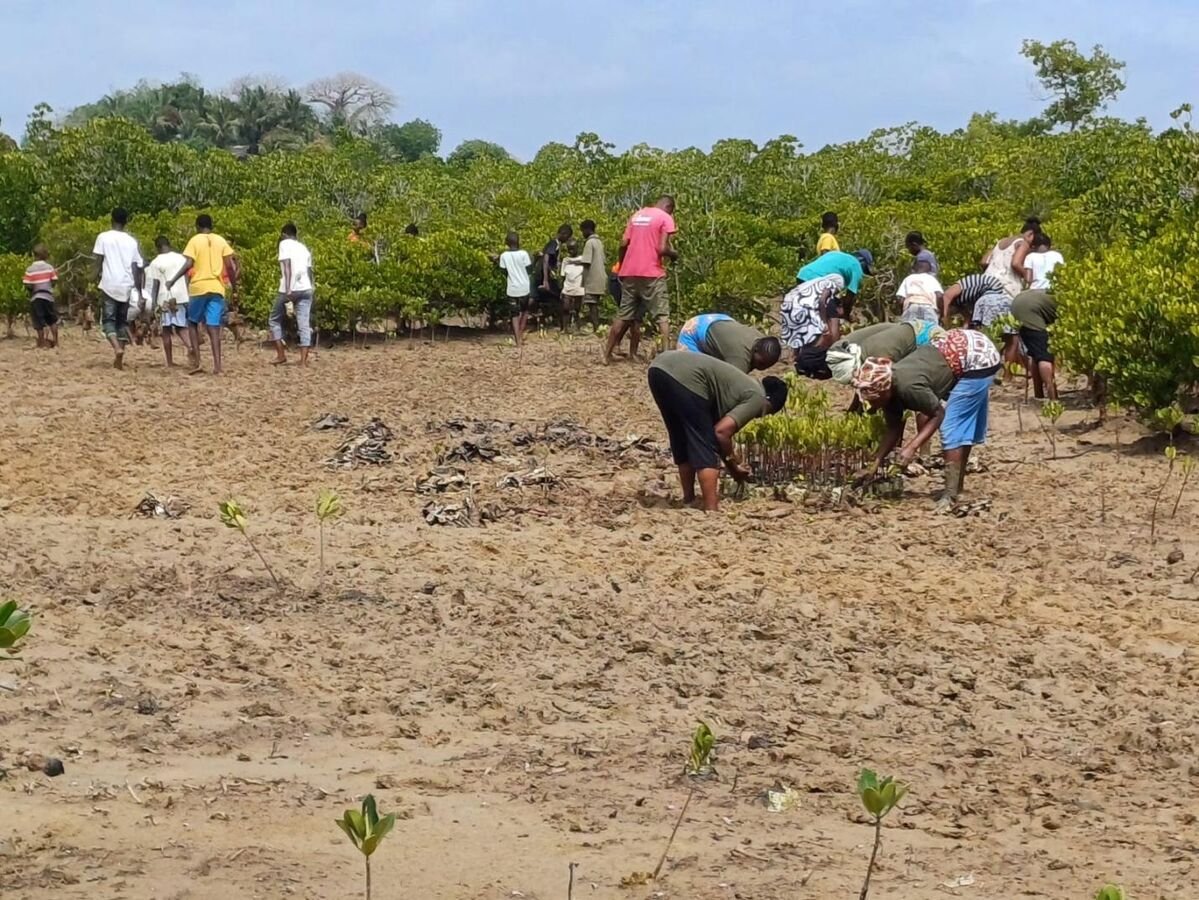
Between November and December 2024, MOKICFA successfully planted 65,000 mangrove seedlings — exceeding the contracted target of 60,000. The additional 5,000 seedlings were donated by a community group in the Mkupe area, demonstrating the strength of local engagement.
The project was funded by KRA at a value of KSh 2,510,000, supporting MOKICFA in fulfilling Kenya's 15 Billion Trees strategy commitments.
Enquire About Partnership
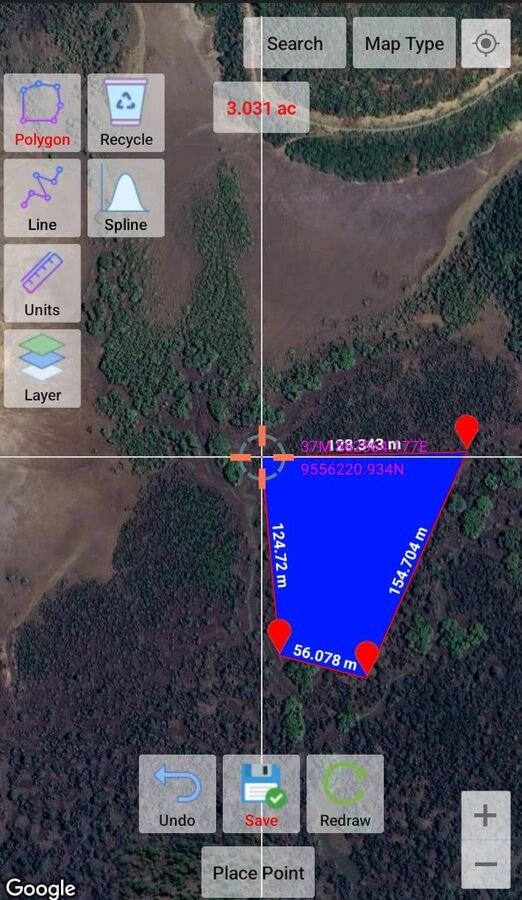
3.031 acres · 15,000 seedlings · Beekeeping, Seedling Producers, Fisherfolk
GPS: 37M562564.177E / 9556220.934N
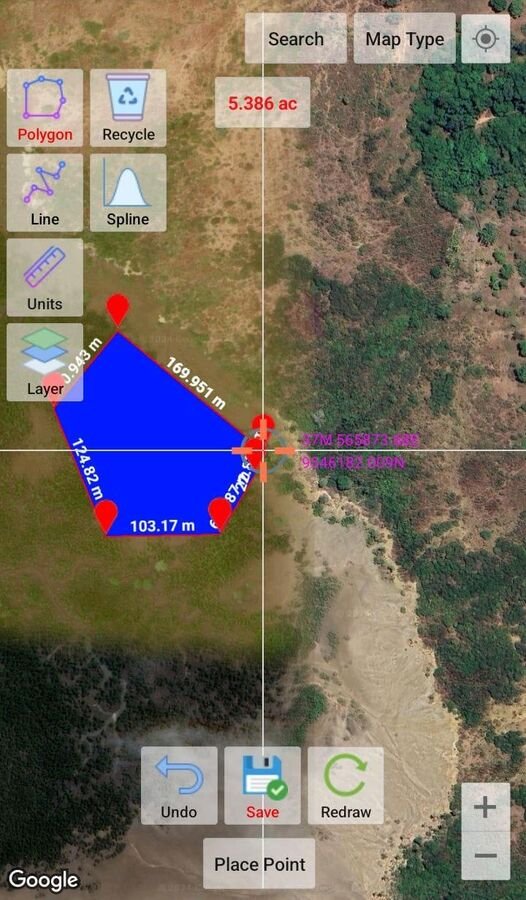
5.386 acres · 25,000 seedlings · Seedling Producers, Fisherfolk
GPS: 37M565873.68E / 9546182.009N
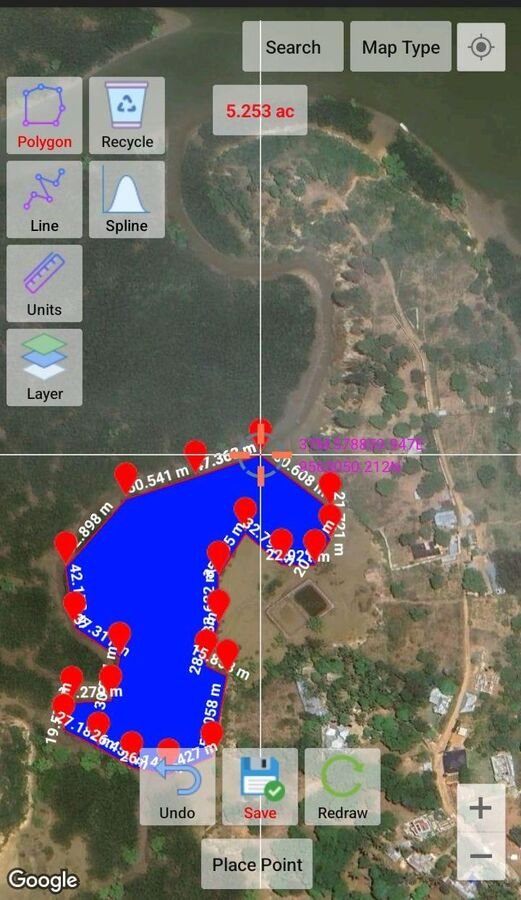
5.253 acres · 25,000 seedlings · Beekeeping, Eco-Tourism, Fisherfolk
GPS: 37M578859.347E / 9563050.212N
Species selection was based on the zonation plan of Mombasa's mangroves, ensuring ecological appropriateness for each site.
Also known as the Loop-root Mangrove or Red Mangrove, Rhizophora mucronata is one of East Africa's most important mangrove species. It is characterized by its distinctive arching prop roots and is well-suited to the intertidal zones along Mombasa's creeks and coastlines.
Ecological Role: Coastal stabilisation · Fish nursery habitat · Carbon sequestration
Commonly known as the Spurred Mangrove, Ceriops tagal is a smaller, salt-tolerant species found in the higher intertidal and supratidal zones. It plays an essential role in binding sediment, providing habitat for diverse fauna, and supporting traditional uses including tannin extraction and fuelwood.
Ecological Role: Sediment binding · Traditional resource · Biodiversity support
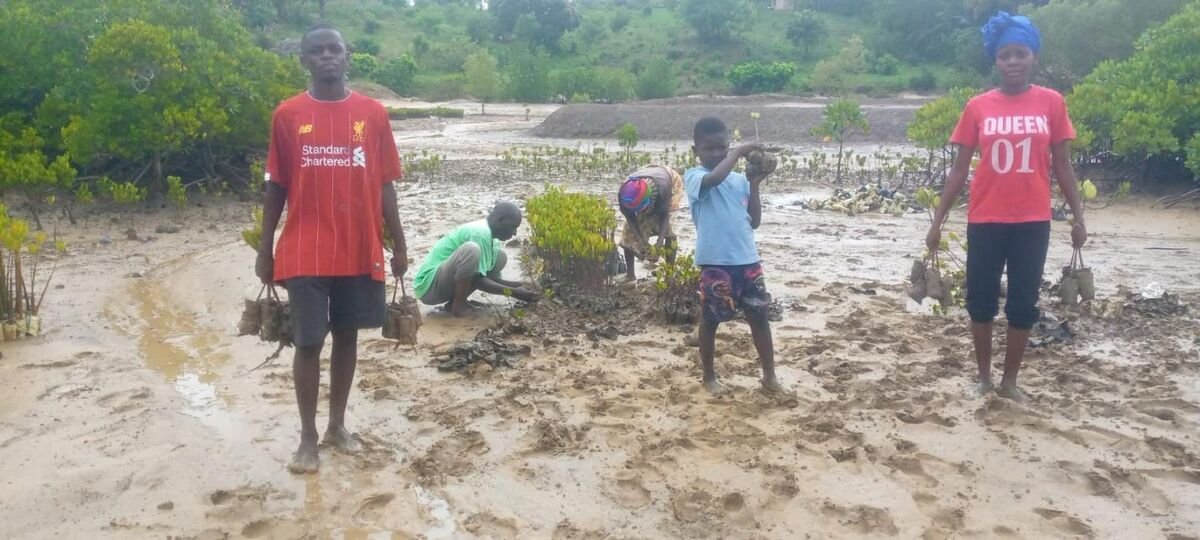
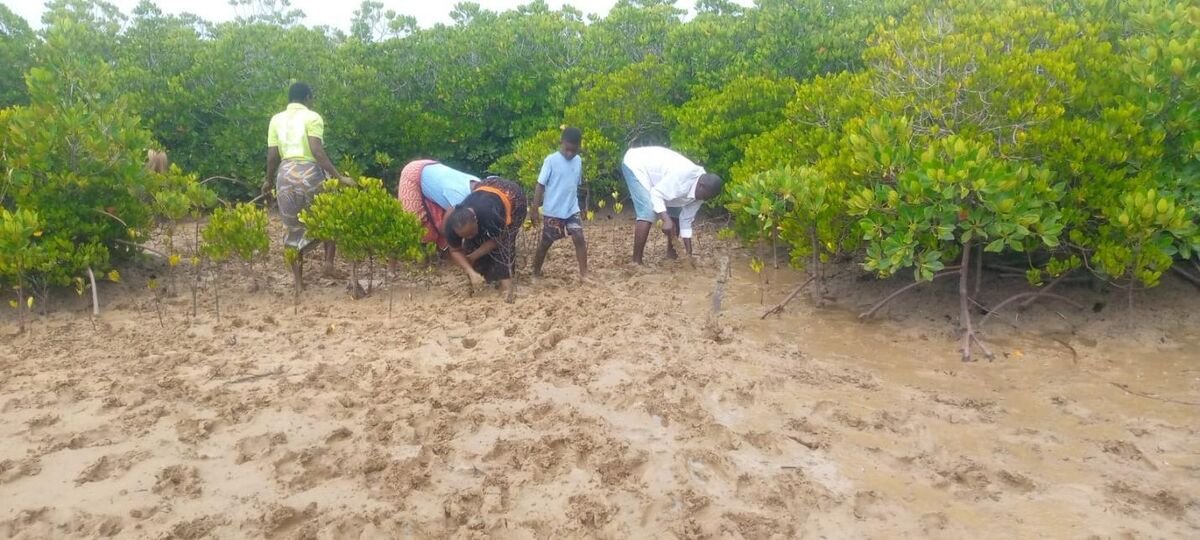
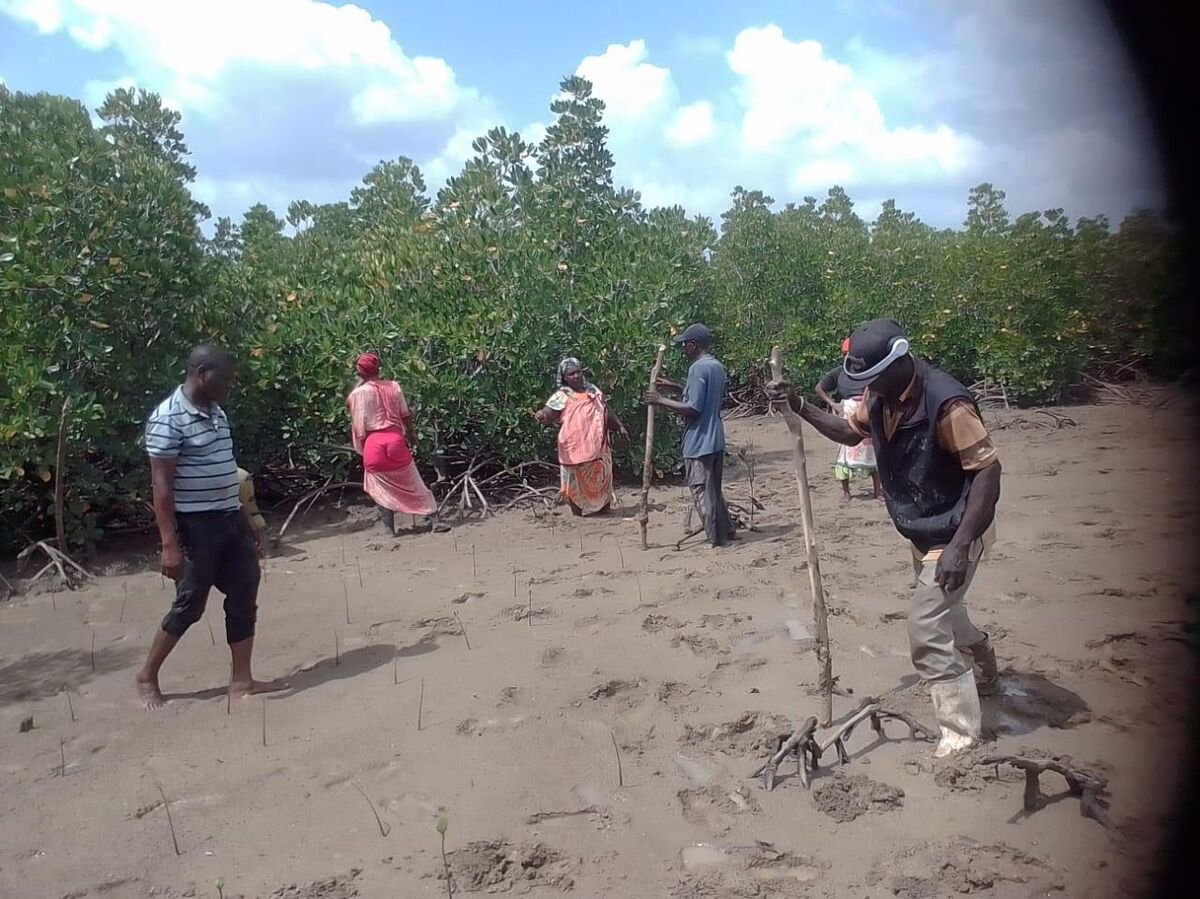
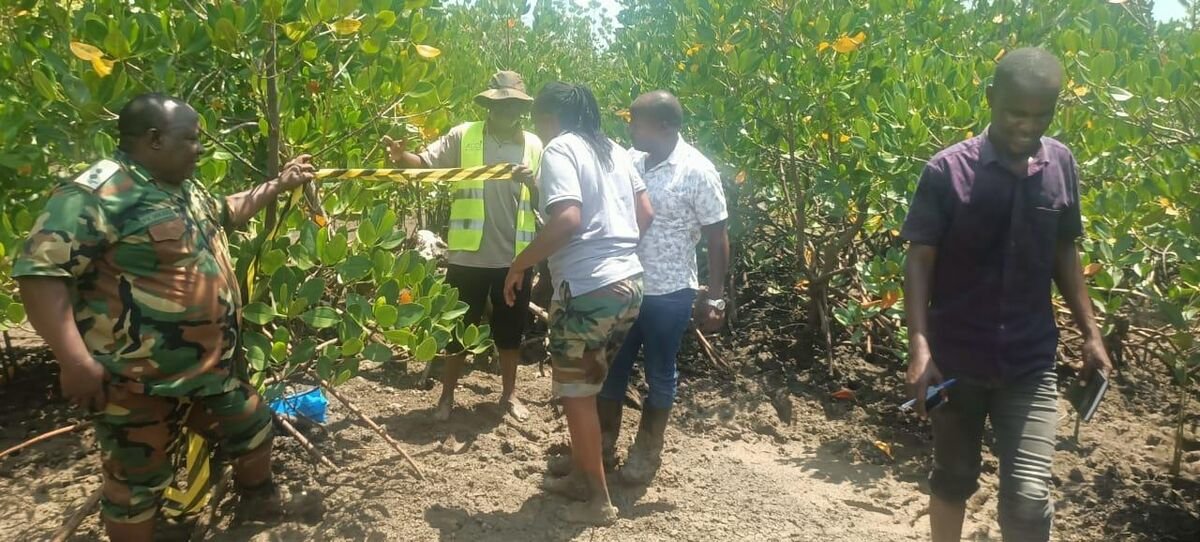
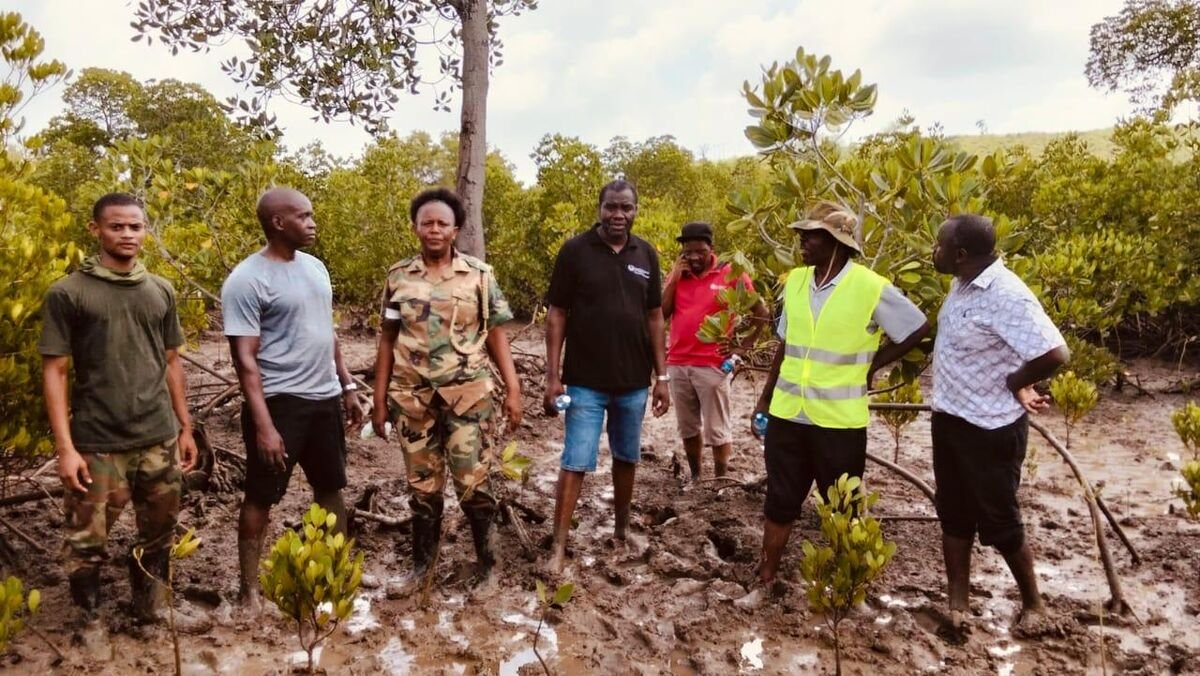
Community members, KRA and KFS officials working side by side to restore Mombasa's mangroves.
The implementation team held three in-house planning meetings and one site meeting at each planting location with groups managing those areas. Site inspections assessed open planting areas and seedling viability before work commenced.
Planting teams submitted individual work plans for each site, and KFS officers conducted GPS mapping to demarcate boundaries and enable future monitoring.
The main challenge encountered was unpredictable tidal variations during seedling transportation, which extended transit times beyond what was planned. Heavy rains also temporarily halted planting at Majaoni–Mtwapa Creek and Mkupe–Mchenjama on scheduled days.
There were also initial uncertainties around the project launch date, which required rescheduling. Despite these challenges, all targets were met — and exceeded — by project completion.
MOKICFA recommends proceeding with the partnership between MOKICFA, KFS and KRA to plant more mangroves in support of the Government of Kenya's tree growing initiative. Subsequent quarterly reports will document the progress and survival rates of planted seedlings.
Partner With Us